The Daily Doctor Dodge
A Complete History, Science, and Healing Guide to Apples
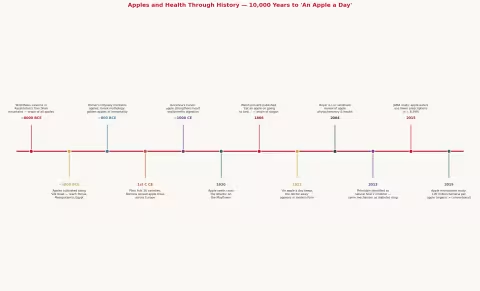
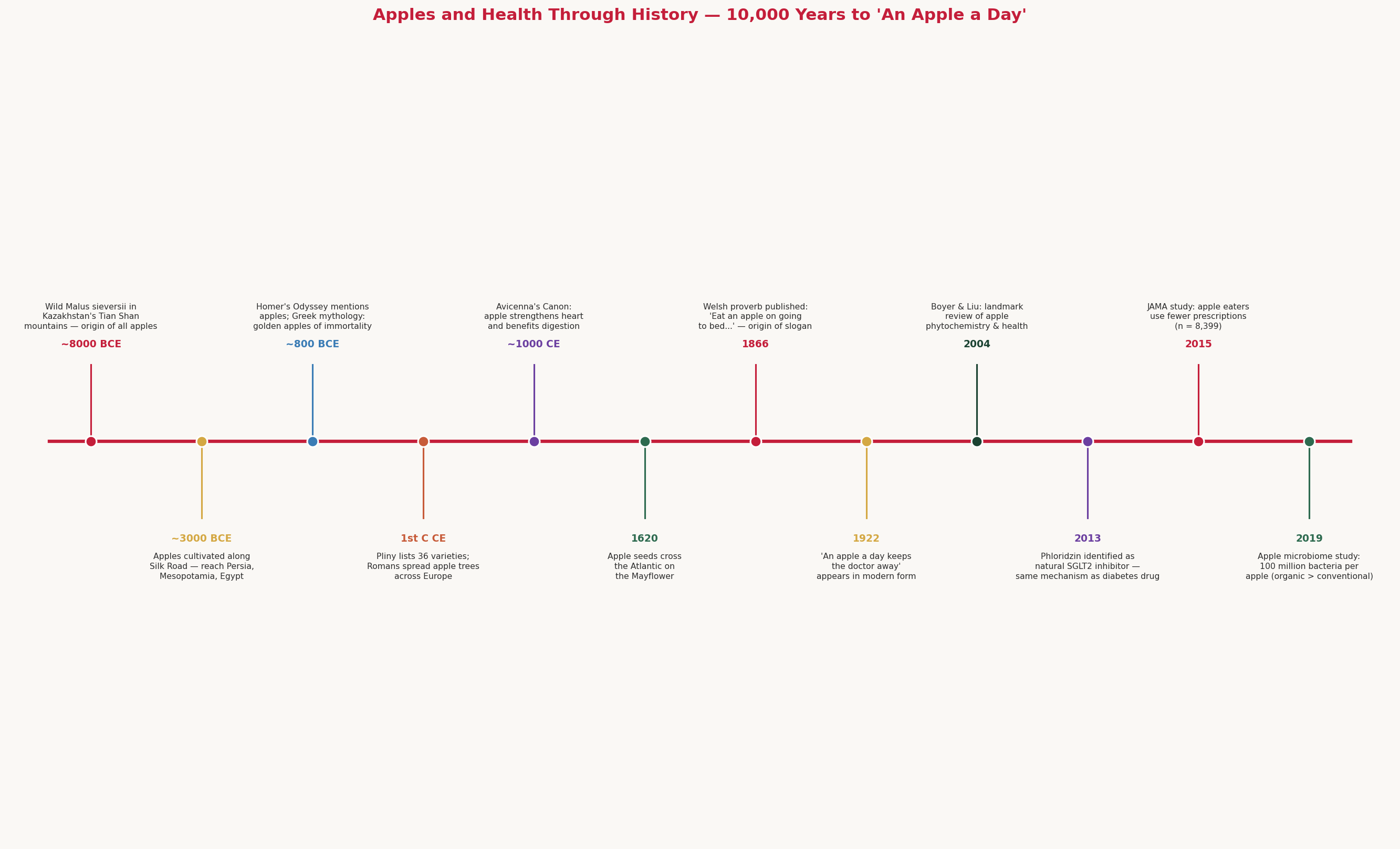
In 1866, a Welsh magazine called Notes and Queries published a proverb from Pembrokeshire: "Eat an apple on going to bed, and you'll keep the doctor from earning his bread." That folksy couplet bounced around the English-speaking world for half a century, morphing and tightening until, by 1922, it crystallized into the version you know: "An apple a day keeps the doctor away."
It is, arguably, the single most famous health claim ever uttered. It has been printed on lunchboxes, cross-stitched onto kitchen towels, repeated by grandmothers on every continent, and leveraged by the Washington State apple industry into billions of dollars of marketing. But is it true?
In 2015, a team from the University of Michigan decided to find out. They published a study in JAMA Internal Medicine analyzing data from 8,399 U.S. adults in NHANES. After adjusting for demographics, smoking, BMI, and diet quality, they asked a simple question: do people who eat an apple a day actually visit the doctor less often?
The answer was no. Apple eaters went to the doctor just as often as everyone else.
But here's where it gets interesting. The researchers then looked at prescription medication use — and there, the apple eaters diverged sharply. People who ate at least one small apple per day were significantly less likely to use prescription medications (adjusted OR 0.87; p = 0.04). The proverb was wrong about the doctor — but accidentally right about the pharmacy.
That finding makes more sense the deeper you dig into what an apple actually is. Not as a snack. Not as a lunchbox afterthought. As a pharmacological delivery system. Because hiding inside the skin and flesh of a common Gala or Granny Smith is one of the most complex natural medicine cabinets in the produce aisle:
- Quercetin — a mast cell stabilizer that outperforms cromolyn sodium in some models, concentrated almost entirely in the peel
- Phloridzin — a compound found only in apples that inhibits SGLT2, the same molecular target as the blockbuster diabetes drug dapagliflozin (Farxiga)
- Ursolic acid — a triterpenoid in the waxy peel that prevents muscle atrophy so effectively that NASA studied it for astronaut muscle wasting
- Pectin — a soluble fiber so effective at binding heavy metals that it was given to children in Belarus to chelate cesium-137 from their bodies after the Chernobyl disaster
- Chlorogenic acid — the same AMPK activator found in berberine and coffee, linking apple consumption to the most powerful metabolic master switch in human biochemistry
And that's before we get to the catechins, the procyanidins, the triterpenoids, and the 100 million bacteria riding on the surface of every organic apple you eat.
The twist — the one that should make you wince every time you watch someone peel an apple — is that up to 75% of these compounds are concentrated in the skin. Peeling an apple doesn't just remove roughage. It removes the pharmacy.
This is the 10,000-year story of the world's most familiar fruit — from the wild forests of Kazakhstan to a JAMA paper, from Newton's falling revelation to Turing's fatal bite, from a Welsh bedtime snack to a Chernobyl chelation protocol. The fruit so complex it has more genes than you do.
Grab one. Leave the peel on.
Part I: Meet the Fruit
Taxonomy and Family
The domestic apple (Malus domestica) belongs to the Rosaceae — the rose family — making it a cousin of roses, strawberries, cherries, peaches, pears, almonds, and raspberries. The genus Malus contains roughly 30–55 species (taxonomy is contested; apples hybridize promiscuously), but only one matters for your kitchen:
| Species | Common Name | Notes |
|---|---|---|
| Malus domestica | Domestic apple | The one in your grocery store — over 7,500 named cultivars worldwide |
| Malus sieversii | Wild apple | The primary ancestor, native to Kazakhstan; still grows wild in the Tian Shan mountains |
| Malus sylvestris | European crab apple | Minor genetic contributor to domestic apples |
| Malus prunifolia | Chinese crab apple | Used in rootstock and breeding |
| Malus baccata | Siberian crab apple | Hardy rootstock; tiny sour fruit |
The name Malus comes from the Latin for apple — which is also the Latin for "evil" (malum), a coincidence that medieval theologians seized upon to cast the apple as the fruit of the Tree of Knowledge. (It almost certainly wasn't — the Hebrew Bible says peri, "fruit," without specifying type, and the Garden of Eden was in Mesopotamia where apples didn't grow. The fruit was probably a pomegranate, a fig, or a grape. Blame Latin puns for the apple's starring role in Original Sin.)
Anatomy of an Apple
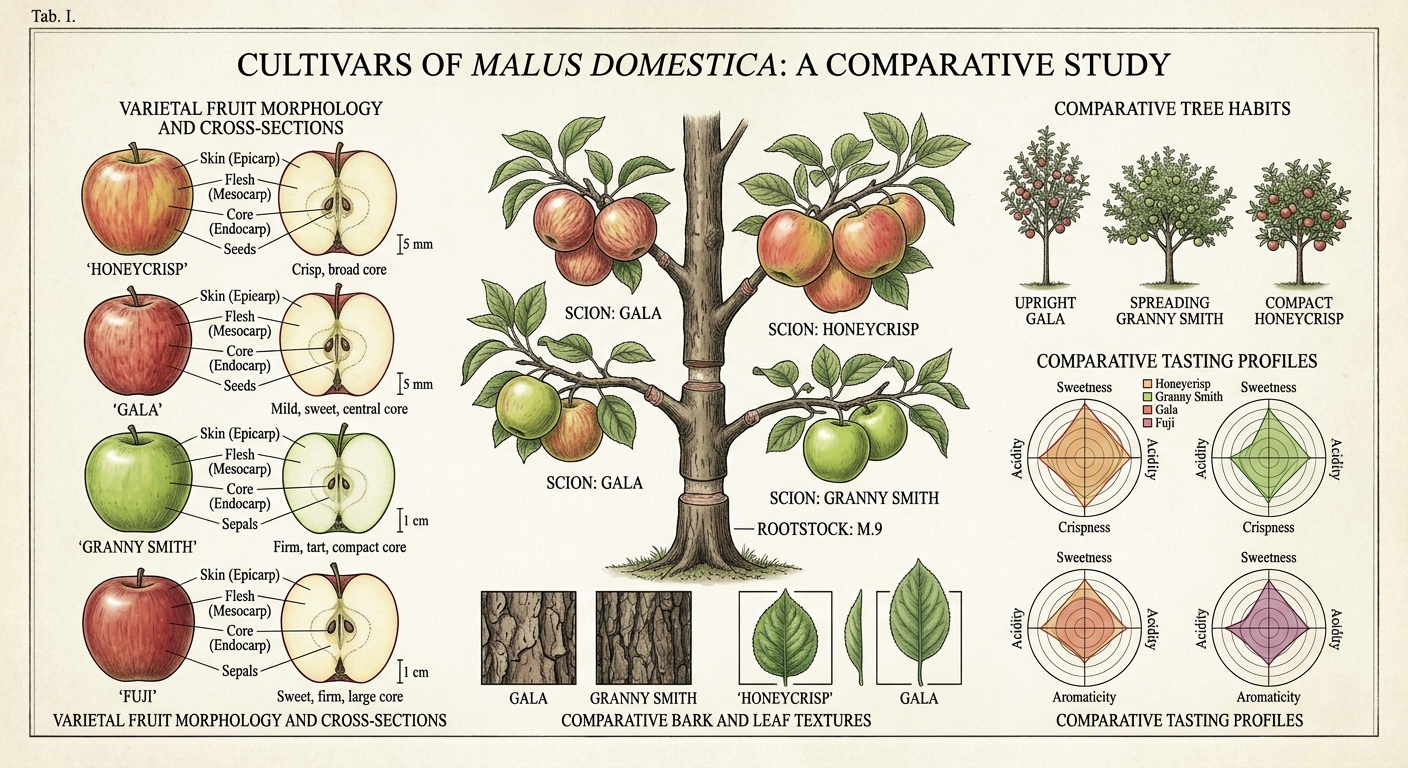
Understanding which part of the apple contains which medicine is critical — because different parts are radically different pharmacies:
| Part | Description | Key Compounds |
|---|---|---|
| Skin (peel) | Waxy outer layer; ~10% of fruit weight | Contains 75% of the total pharmacy: quercetin, ursolic acid, triterpenoids, catechins, anthocyanins (red varieties), phloridzin, chlorogenic acid, epicatechin |
| Flesh | Crisp parenchyma; ~85% of fruit weight | Pectin, chlorogenic acid (some), sugars, organic acids, vitamin C, catechins (lower concentrations) |
| Core | Carpels and seed chambers | Fiber, minor polyphenols |
| Seeds | Small brown pips; 5–10 per fruit | Amygdalin (cyanogenic glycoside — releases hydrogen cyanide when metabolized). Don't panic: see Fun Facts |
| Stem | Woody pedicel | Minor phenolics; not consumed |
The key insight: the skin is the medicine. When Boyer and Liu at Cornell published their landmark 2004 paper on apple phytochemistry, they demonstrated that the peel contains up to 332 mg of total phenolics per 100g versus 117 mg per 100g in the flesh. The peel's antioxidant activity was 4–6 times higher than the flesh. Peeling your apple is the nutritional equivalent of buying a prescription, throwing away the pills, and eating the bottle.
Nutritional Profile (per 100g)
Here's where the peel-vs-flesh distinction gets concrete:
| Nutrient | With Peel | Without Peel | % Lost by Peeling |
|---|---|---|---|
| Calories | 52 kcal | 48 kcal | — |
| Water | 85.6 g | 86.7 g | — |
| Carbohydrates | 13.8 g | 12.8 g | — |
| Dietary fiber | 2.4 g | 1.3 g | 46% |
| Sugars | 10.4 g | 10.1 g | — |
| Protein | 0.26 g | 0.27 g | — |
| Vitamin C | 4.6 mg | 3.6 mg | 22% |
| Vitamin K | 2.2 µg | 0.6 µg | 73% |
| Potassium | 107 mg | 90 mg | 16% |
| Vitamin A | 3 µg RAE | 1 µg RAE | 67% |
| Quercetin | 4.42 mg | 0.58 mg | 87% |
| Total polyphenols | ~332 mg (peel fraction) | ~117 mg (flesh) | up to 75% |
Like pomegranate and elderberry, the basic vitamin profile is decent but not spectacular. Nobody eats an apple for the vitamin C. The magic is in the phytochemistry — and the phytochemistry is in the peel.
Part II: 10,000 Years of the World's Favorite Fruit
The Garden of Eden Was in Kazakhstan (~8000 BCE)
Every apple you've ever eaten descends from a wild tree that still grows in the Tian Shan mountains of Kazakhstan. Malus sieversii — named after the 18th-century Russian botanist Johan Sievers, who first described it — is the mother of all domestic apples. These wild forests were identified as the primary ancestor of Malus domestica by Nikolai Vavilov in the 1930s, and confirmed by DNA analysis in the 2000s.
The city of Almaty — Kazakhstan's largest city and former capital — literally means "Father of Apples" (from the Kazakh alma, apple). The Tian Shan forests contain wild apple trees producing fruit in every color, size, and flavor that domestic apples display — red, green, yellow, sweet, sour, enormous, tiny. Walking through these forests is, genetically speaking, walking through the origin story of 7,500 cultivars.
These wild trees have been producing fruit for at least 10,000 years. Archaeological evidence suggests that humans began selecting and propagating preferred varieties by ~6000 BCE, making the apple one of the earliest deliberately cultivated tree fruits.
The Silk Road Spread (~3000–500 BCE)
From Kazakhstan, the apple traveled the Silk Road in both directions. Traders, travelers, and horses (who eat apples and disperse seeds) carried Malus sieversii genetics westward through Persia, Mesopotamia, and into the Mediterranean, and eastward into China. Along the way, wild apples hybridized with local Malus species — particularly Malus sylvestris (European crab apple) — creating the genetic mosaic that became the modern domestic apple.
By 2000 BCE, cultivated apples were established across:
- Persia — grafting techniques developed to preserve desirable varieties
- Mesopotamia — referenced in cuneiform tablets
- Egypt — Ramesses II planted apple orchards in the Nile Delta (~1279 BCE)
- China — Malus cultivation documented by the Warring States period
Greek and Roman Love Affair (800 BCE – 400 CE)
The Greeks were apple-obsessed. In mythology, golden apples appear everywhere:
- The Garden of the Hesperides — Hera's wedding gift of golden apple trees, guarded by a hundred-headed dragon
- The Judgment of Paris — a golden apple inscribed "For the Fairest" sparked the Trojan War
- Atalanta's race — Hippomenes won by tossing three golden apples as distractions
(These "golden apples" were probably quinces or citrons — actual golden-colored fruit — not the red apples of later European art. But the association stuck.)
Pliny the Elder (23–79 CE), in his Naturalis Historia, catalogued 36 named apple varieties — demonstrating that Roman horticulture had already developed sophisticated grafting and selection. Romans used apple cider for digestive complaints and apple poultices for skin ailments.
Avicenna and the Islamic Golden Age (~1000 CE)
Ibn Sina (Avicenna), in his Canon of Medicine (~1025 CE), prescribed apple as a cardiac tonic — specifically recommending apple water and apple syrup for strengthening the heart and stomach. He classified apple as cold and moist, useful for counteracting "hot" diseases (inflammation, fever), and recommended sour apple varieties for liver conditions. This cardiac indication — a thousand years old — aligns with modern cardiovascular data showing apple consumption reduces cardiac mortality.
The Welsh Proverb and Its Evolution (1866–1922)
The health proverb went through a curious evolution:
| Year | Version | Source |
|---|---|---|
| 1866 | "Eat an apple on going to bed, and you'll keep the doctor from earning his bread" | Notes and Queries (Pembrokeshire, Wales) |
| 1913 | "An apple a day keeps the doctor away" | Elizabeth Mary Wright, Rustic Speech and Folk-Lore |
| 1922 | "An apple a day keeps the doctor away" | First attested in this exact modern form |
The original was a bedtime apple — a nighttime digestive aid. The modern version dropped the timing and universalized the claim. Both versions encode real pharmacology: the pectin in a bedtime apple feeds beneficial gut bacteria overnight during the fasting period, and the quercetin provides anti-inflammatory effects during the body's nighttime repair cycle.
The New World: Mayflower to Johnny Appleseed (1620–1845)
Apple seeds and cuttings arrived in North America with the earliest European colonists. The Mayflower pilgrims planted apple orchards at Plymouth Colony by the 1620s. But the real story of apples in America belongs to John Chapman (1774–1845) — Johnny Appleseed — who planted nurseries across Pennsylvania, Ohio, Indiana, and Illinois for nearly 50 years. His apples weren't for eating — they were for cider, the primary alcoholic beverage of frontier America. (For the full Johnny Appleseed story and growing your own apple trees, see our holistic apple tree care guide.)
The Modern Science Era (2000–Present)
The 21st century transformed the apple from "healthy snack" to "pharmacological goldmine":
| Year | Milestone |
|---|---|
| 2004 | Boyer & Liu (Cornell) — landmark paper documenting the full phytochemical profile of apple peel, showing 4–6× more antioxidant activity than flesh |
| 2007 | Iowa Women's Health Study — 34,489 postmenopausal women tracked; apple/pear consumption inversely associated with cardiovascular and coronary mortality |
| 2011 | Apple genome sequenced — 57,000 genes (humans have ~20,000) |
| 2013 | Phloridzin mechanism elucidated — confirmed as natural SGLT2 inhibitor |
| 2015 | JAMA Internal Medicine — 8,399-adult NHANES analysis; apple eaters use fewer prescriptions (Davis et al.) |
| 2019 | TU Graz microbiome study — 100 million bacteria per apple; organic vs. conventional have completely different microbiomes |
| 2020 | Nurses' Health Study analysis — apple flavonoid intake inversely associated with all-cause mortality |
| 2022 | Ursolic acid review — mechanisms for muscle preservation, brown fat activation, and anti-cancer effects consolidated |
Part III: The Chemistry — An Apple Is a Compound Pharmacy
This is where it gets serious. An apple contains over 4,000 identified phytochemicals working in concert. Here are the heavy hitters:
Quercetin (4.42 mg/100g — concentrated in peel)
Quercetin is the apple's flagship compound, and it's almost entirely in the skin. It's a flavonol — one of the most studied natural molecules in pharmacology:
- Mast cell stabilizer: Quercetin inhibits histamine release from mast cells more effectively than cromolyn sodium in some in vitro models. This is the mechanism behind the apple-asthma connection — quercetin stabilizes the immune cells that trigger allergic inflammation in airways
- Anti-inflammatory: Inhibits NF-κB, COX-2, and lipoxygenase — the same inflammatory cascade targeted by NSAIDs and corticosteroids
- Antiviral: Inhibits viral replication of influenza, rhinovirus, and respiratory syncytial virus (RSV) in cell culture
- Senolytic: Emerging research shows quercetin + dasatinib selectively kills senescent ("zombie") cells — a frontier of anti-aging medicine
- Bioavailability note: Quercetin from apples is absorbed 2–3× better than quercetin from onions, likely due to the sugar conjugation form (quercetin-3-O-rhamnoside in apples vs. quercetin-4'-O-glucoside in onions)
The concentration difference is staggering: 87% of the apple's quercetin is in the peel. Peeling an apple doesn't reduce its quercetin — it essentially eliminates it.
Catechins and Epicatechins
These are the same flavanol compounds that give green tea its health reputation:
- Epicatechin (~8 mg/100g in fresh apple): improves endothelial function, increases nitric oxide production, lowers blood pressure
- Catechin (~1–3 mg/100g): antioxidant, anti-inflammatory, inhibits LDL oxidation
- Present in both peel and flesh, but higher concentrations in the peel
- The apple delivers these in a food matrix with fiber and other polyphenols — potentially better absorbed than from tea
Chlorogenic Acid
This hydroxycinnamic acid is the dominant phenolic acid in apple flesh and a major bioactive compound:
- AMPK activation: Chlorogenic acid activates AMP-activated protein kinase — the same "master metabolic switch" that berberine and metformin flip. This connection is profound: eating an apple activates the same metabolic pathway as the most-studied natural anti-diabetic compound
- Alpha-glucosidase inhibition: Slows carbohydrate digestion, blunting post-meal glucose spikes
- Also found in honeysuckle and coffee — the chlorogenic acid in your morning coffee and your afternoon apple are doing the same biochemistry
- Content varies dramatically by variety: Granny Smith has the highest chlorogenic acid content of any common variety
Procyanidins (Proanthocyanidins)
These are polymers of catechin and epicatechin — large molecules that are poorly absorbed intact but powerfully active in the gut:
- B-type procyanidins dominate in apple (same class as grape seed and pine bark extract)
- Gut microbiome food: Procyanidins are too large to absorb in the small intestine, so they reach the colon intact where gut bacteria metabolize them into smaller bioactive phenolic acids
- Anti-cancer: Procyanidin-rich apple extract inhibited colon cancer cell proliferation in vitro more effectively than isolated quercetin or catechin alone — the polymers appear to have unique anti-cancer activity
- Apple procyanidins account for 65% of the total antioxidant activity of the whole fruit
Phloridzin and Phloretin — The Apple Exclusives
This is the compound that should have made apples famous in pharmacology. Phloridzin is found almost exclusively in apples — specifically in the peel, seeds, and leaves of Malus species. You won't find it in any other common food.
- Natural SGLT2 inhibitor: Phloridzin blocks the sodium-glucose cotransporter 2 in the kidneys, reducing glucose reabsorption and lowering blood sugar. This is the exact same mechanism as the blockbuster diabetes drug dapagliflozin (Farxiga) and empagliflozin (Jardiance) — drugs that generate over $10 billion in annual revenue
- Phloridzin was actually discovered first — in 1835 by French chemist Laurent — and was used in diabetes research for over a century before pharmaceutical companies synthesized analogues
- Phloretin (the aglycone of phloridzin) also inhibits GLUT2, another glucose transporter
- Highest concentration in the peel and in unripe fruit — mature, peeled fruit has far less
- Heritage varieties contain significantly more phloridzin than commercial cultivars
The irony is almost painful: the pharmaceutical industry spent billions developing synthetic SGLT2 inhibitors while the natural molecule that inspired the entire drug class was sitting in apple peels the whole time.
Ursolic Acid (Peel Only)
Ursolic acid is a pentacyclic triterpenoid found in the waxy coating of apple peel — and it may be the most exciting apple compound you've never heard of:
- Prevents muscle atrophy: In 2011, Christopher Adams at the University of Iowa screened 1,300 bioactive molecules for anti-atrophy effects and ursolic acid was the top hit. It reduced muscle wasting in mice by enhancing IGF-1 and insulin signaling in skeletal muscle
- Brown fat activation: Ursolic acid increased brown adipose tissue (the metabolically active fat that burns calories for heat) in animal models — a mechanism relevant to obesity treatment
- NASA interest: The anti-atrophy properties attracted attention for preventing muscle wasting in astronauts during long-duration spaceflight — microgravity causes rapid muscle loss through pathways that ursolic acid inhibits
- Anti-cancer: Inhibits multiple cancer cell lines through STAT3, NF-κB, and Akt/mTOR pathway suppression
- Anti-inflammatory: Inhibits COX-2, lipoxygenase, and elastase
- Only in the peel: Ursolic acid is a component of the waxy cuticle. Peeling removes it entirely.
Pectin
Pectin is the gel-forming soluble fiber that makes apple butter thick and apple jelly set — but its pharmacology goes far beyond the kitchen:
- Prebiotic powerhouse: Pectin reaches the colon intact and is fermented by beneficial bacteria (especially Bifidobacterium and Lactobacillus) into short-chain fatty acids — primarily butyrate, propionate, and acetate. Butyrate is the primary fuel source for colonocytes and a potent anti-inflammatory
- Cholesterol binding: Pectin binds bile acids in the intestinal lumen, forcing the liver to pull LDL cholesterol from the blood to synthesize new bile acids. This is essentially the same mechanism as bile acid sequestrant drugs (cholestyramine)
- Heavy metal chelation: Pectin's galacturonic acid backbone binds divalent metal cations — lead, mercury, cadmium, and radioactive cesium. This property was exploited after the Chernobyl disaster when apple pectin supplements were given to children in contaminated regions of Belarus, reducing cesium-137 body burden by 62% over a 16-day supplementation period
- Satiety: Pectin forms a gel in the stomach that slows gastric emptying, increasing fullness and reducing caloric intake at subsequent meals
- Apple contains ~1.5g pectin per 100g — a medium apple delivers ~3–4g
Triterpenoids (Peel)
Beyond ursolic acid, apple peel contains a family of triterpenoids with anti-cancer properties:
- Maslinic acid, corosolic acid, betulinic acid, oleanolic acid — all present in apple peel
- A 2007 Cornell study identified several apple peel triterpenoids that inhibited proliferation of human liver, colon, and breast cancer cell lines with potency comparable to established chemotherapy agents in vitro
- Like ursolic acid, these are wax-layer compounds eliminated by peeling
The Peel vs. Flesh Divide: A Summary
| Compound | In Peel? | In Flesh? | % Lost by Peeling |
|---|---|---|---|
| Quercetin | High | Trace | ~87% |
| Ursolic acid | Yes (waxy cuticle) | No | 100% |
| Triterpenoids | Yes | No | 100% |
| Anthocyanins (red varieties) | Yes | No | 100% |
| Catechins/Epicatechin | High | Moderate | ~50% |
| Chlorogenic acid | Moderate | Moderate | ~30% |
| Phloridzin | High | Low | ~60% |
| Procyanidins | High | Moderate | ~50% |
| Pectin | Moderate (skin layer) | High | ~15% |
| Fiber (insoluble) | High | Moderate | ~46% |
| Total polyphenol loss | — | — | Up to 75% |
The message is unambiguous: an unpeeled apple is a completely different food than a peeled one. The peeled apple is a decent snack. The unpeeled apple is a medicine chest.
Part IV: Not All Apples Are Created Equal — A Variety Guide
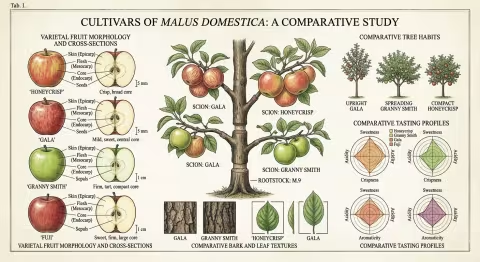
This might be the most underappreciated fact in nutrition: different apple varieties are essentially different medicines. The polyphenol content can vary by 3–8× between cultivars, meaning a Granny Smith and a Golden Delicious aren't just different flavors — they're different prescriptions.
Variety Comparison Table
| Variety | Total Polyphenols (mg/100g) | Quercetin | Catechins | Chlorogenic Acid | Antioxidant Capacity (ORAC) | Best For |
|---|---|---|---|---|---|---|
| Granny Smith | High (200–300) | Moderate | Moderate | Highest | High | Blood sugar control, metabolic health |
| Red Delicious | High (250–350) | Moderate | Moderate | Moderate | Very High | Cardiovascular (anthocyanin-rich peel) |
| Fuji | Moderate-High (180–280) | Moderate | High | Moderate | Moderate-High | Antioxidant, general health |
| Honeycrisp | Moderate (150–250) | Moderate | Moderate | Moderate | Moderate | All-purpose; balanced profile |
| Braeburn | Very High (300–400) | High | High | High | Very High | Maximum polyphenol intake |
| Golden Delicious | Low (100–180) | Low | Low-Mod | Low-Mod | Low-Mod | Cooking; least "medicinal" |
| Gala | Moderate (150–250) | Moderate | Moderate | Moderate | Moderate | Balanced; kid-friendly |
| Pink Lady (Cripps Pink) | High (220–320) | High | Moderate | High | High | Cardiovascular, anti-inflammatory |
| Ashmead's Kernel (heritage) | Very High (400–600+) | Very High | High | Very High | Very High | Maximum medicinal potency |
| GoldRush (heritage) | Very High (350–500+) | Very High | High | Very High | Very High | Blood sugar, polyphenol powerhouse |
Key Takeaways by Variety
Granny Smith — The tart green icon. Contains the highest chlorogenic acid content of any common variety — the same AMPK-activating compound that makes berberine and coffee metabolically active. The low sugar content and high organic acid ratio make Granny Smith the best choice for blood sugar management. If you're eating an apple to manage glucose, eat a Granny Smith with the peel on.
Red Delicious — Often maligned for its mealy texture and fading commercial popularity, Red Delicious has a secret weapon: the deepest red skin of any common variety, packed with anthocyanins (the same pigments that make blueberries and elderberries anti-inflammatory powerhouses). The peel is the whole point — the flesh is nutritionally unremarkable. Eat the peel or don't bother.
Fuji — Yes, it's the sweetest common apple (12–14% sugar). But it also contains high catechin levels — the same flavanols that make green tea famous. Fuji's antioxidant capacity is higher than its sweetness would suggest. A reasonable compromise between palatability and medicine.
Braeburn — The unsung champion. Braeburn consistently ranks among the highest total polyphenol commercial varieties — high quercetin, high catechins, high chlorogenic acid. If you can find them, Braeburns are arguably the best all-purpose medicinal apple at the supermarket.
Golden Delicious — The least medicinally potent common variety. Lower polyphenols, lower antioxidant capacity, thinner skin. Fine for baking. Not the one to eat if you're optimizing for health.
Heritage/Heirloom Varieties — Here's where it gets interesting. Old cultivars like Ashmead's Kernel (1700s English variety), GoldRush, Esopus Spitzenburg (Thomas Jefferson's favorite), and Calville Blanc d'Hiver often contain 2–3× the polyphenol content of modern commercial varieties. Breeding over the last century has selected for sweetness, uniform appearance, and shelf life — inadvertently selecting against the bitter, astringent polyphenols that are the medicinal compounds. The apple your great-great-grandmother ate was literally more medicinally potent than the one in your grocery store.
The General Rule
Tart, deeply colored, thick-skinned varieties are more medicinally potent. This makes intuitive sense: polyphenols are defense compounds that plants produce to deter insects and pathogens. Bitter and astringent flavors signal high polyphenol content. Thick skins contain more waxy triterpenoids. Deep colors indicate more anthocyanins and flavonoids. Modern breeding has made apples sweeter and prettier at the expense of their medicine.
Organic vs. Conventional: It's Not Just About Pesticides
A 2019 study from Graz University of Technology made waves by revealing that an organic apple contains approximately 100 million bacteria — and a conventional apple contains roughly the same number. But here's the critical finding: the bacterial communities are completely different.
- Organic apples harbored a significantly more diverse microbiome, with higher proportions of Lactobacillus, Methylobacterium, and beneficial plant-associated bacteria
- Conventional apples were enriched in Erwinia, potential pathogens, and showed less microbial diversity
- Organic apples contained 10–30% more polyphenols than conventional counterparts of the same variety — consistent with the "stress hypothesis" that organic plants, without synthetic pesticide protection, upregulate their own chemical defense (polyphenols)
- The organic apple's microbiome included bacteria that produce health-relevant metabolites and may contribute to the immune-modulating effects of apple consumption
This means that when you eat an organic apple, you're not just avoiding pesticide residues — you're consuming a fundamentally different biological ecosystem, with a more diverse and beneficial microbial community and higher levels of the very polyphenols that make apples medicinal.
Part V: The Well-Known Benefits — What Your Doctor Already Knows (or Should)
Cardiovascular Health
The cardiovascular evidence for apples is among the strongest in all of food-as-medicine research:
The Iowa Women's Health Study (2007): In a cohort of 34,489 postmenopausal women followed for nearly 20 years, apple and pear consumption was significantly inversely associated with coronary heart disease mortality and cardiovascular disease mortality. Women who consumed apples regularly had lower risk even after adjustment for total fruit and vegetable intake — suggesting something specific about apples beyond general produce consumption.
The Oxford Modeling Study (2013): A team at the University of Oxford used mathematical modeling to estimate that prescribing an apple a day to all adults over 50 in the UK would prevent or delay approximately 8,500 vascular deaths per year — a number comparable to the estimated effect of putting everyone on statin drugs. The "apple a day" versus "statin a day" comparison generated significant media coverage and legitimate scientific debate. The key point: at a population level, the cardiovascular benefit of widespread apple consumption rivals pharmaceutical intervention.
LDL Reduction: Multiple clinical trials show that apple consumption (whole fruit, not juice) reduces LDL cholesterol by 5–10% over 4–8 weeks. The mechanisms are multiple:
- Pectin binds bile acids → liver pulls LDL from blood → LDL drops (bile acid sequestrant mechanism)
- Polyphenols inhibit LDL oxidation → oxidized LDL is the form that actually drives atherosclerosis
- Procyanidins reduce hepatic cholesterol synthesis
Blood Pressure: Apple polyphenols improve endothelial function through nitric oxide enhancement. Epicatechin, the same compound that makes dark chocolate cardioprotective, relaxes arterial smooth muscle. Clinical trials show modest but consistent blood pressure reductions with regular apple consumption (~2–5 mmHg systolic).
Cancer Prevention
Lung Cancer: The most consistent cancer association in apple research is the inverse relationship between apple/quercetin intake and lung cancer risk. The Nurses' Health Study and Health Professionals Follow-Up Study (combined n > 100,000) found that quercetin-rich foods — with apples as the primary source — were associated with a 21% reduced risk of lung cancer. The mast cell stabilization and anti-inflammatory properties of quercetin may protect airway epithelium from inflammatory carcinogenesis.
Colon Cancer: Apple procyanidins and pectin work synergistically in the colon:
- Procyanidins inhibit colon cancer cell proliferation through mitochondrial apoptosis pathways
- Pectin fermentation produces butyrate, which induces differentiation and apoptosis in colon cancer cells
- Apple fiber physically dilutes carcinogens and speeds transit time
- A 2016 meta-analysis found apple consumption associated with 18% lower colorectal cancer risk
Breast Cancer: The Cornell apple research program demonstrated that whole apple extracts inhibited mammary tumor proliferation in a dose-dependent manner — and that whole apple extract was more effective than any isolated compound, suggesting synergistic effects among the 4,000+ phytochemicals.
Blood Sugar: The Sweet Fruit Paradox
Here's the counterintuitive finding that confuses people: apples are sweet (10–14% sugar), yet regular apple consumption lowers blood glucose and reduces type 2 diabetes risk. How?
The explanation involves multiple simultaneous mechanisms:
- Phloridzin blocks SGLT2 in the kidney, increasing urinary glucose excretion — the same mechanism as a $500/month diabetes drug
- Chlorogenic acid activates AMPK, increasing glucose uptake into muscle cells
- Pectin forms a gel matrix that slows glucose absorption from the intestinal lumen
- Polyphenols inhibit alpha-glucosidase and alpha-amylase, slowing starch digestion
- Fiber provides physical bulk that delays gastric emptying
The net effect: despite containing ~19g sugar per medium apple, the whole fruit delivers that sugar in a matrix of absorption-slowing, glucose-lowering compounds. The glycemic index of a whole apple is ~36 (low), compared to apple juice at ~41 (moderate) and glucose at 100. The fiber, pectin, and polyphenols transform what would otherwise be a sugar bolus into a slow-release package wrapped in its own antidote.
A 2013 BMJ study of 187,382 participants found that eating whole apples was associated with reduced risk of type 2 diabetes — while drinking apple juice was associated with increased risk. The juice removes the fiber, pectin, and much of the polyphenol matrix. The apple and its juice are metabolically opposite foods.
Weight Management: The Apple-Before-a-Meal Strategy
A simple but evidence-based tactic: eat a whole apple 15 minutes before a meal. Multiple studies show this reduces total caloric intake at the subsequent meal by 15–20% — more than any other pre-meal food tested, including salad and soup.
The mechanisms:
- Pectin gel slows gastric emptying → sustained fullness signals
- Fiber provides bulk → mechanical stretch receptors in the stomach signal satiety
- Chewing a whole apple takes 3–5 minutes → oral processing time contributes to satiety
- Water content (86%) contributes to volume without calories
- Polyphenols may directly affect appetite-regulating hormones (GLP-1 upregulation)
This is not a revolutionary diet plan. It's a fruit. Eaten before lunch. But the measured caloric reduction is consistent and meaningful over time.
Part VI: The Lesser-Known Benefits — What Almost Nobody Knows
Gut Microbiome: The 100 Million Bacteria Study
Every apple you eat delivers approximately 100 million bacterial cells into your gut — primarily concentrated in the flesh, core, and seeds rather than the peel. The 2019 Graz University study sequenced the full microbiome of apples and found:
- Apple-associated bacteria include Lactobacillus, Leuconostoc, and Methylobacterium — beneficial genera that contribute to gut health
- Apple pectin reaches the colon intact and is fermented by Bifidobacterium and Lactobacillus, producing butyrate at rates comparable to dedicated prebiotic supplements (inulin, FOS)
- Two apples per day for 8 weeks increased Bifidobacterium populations by 8–15% in clinical studies
- The butyrate produced from apple pectin fermentation:
- Feeds colonocytes (colon lining cells)
- Reduces intestinal permeability ("leaky gut")
- Suppresses colon inflammation (NF-κB inhibition)
- Induces regulatory T cells (immune tolerance)
The apple isn't just a prebiotic food — it's a synbiotic delivery system that provides both the probiotic organisms and the prebiotic fuel they need.
Brain Health and Alzheimer's Disease
The Apple Juice Concentrate Study: A small but striking randomized controlled trial gave patients with moderate-to-severe Alzheimer's disease 8 oz of apple juice concentrate daily for one month. While cognitive scores didn't significantly change (the disease was too advanced), behavioral and psychological symptoms improved significantly — reduced anxiety, agitation, and delusions. The caregivers reported meaningful quality-of-life improvements.
Mechanistic evidence:
- Apple juice increased acetylcholine production in mouse brain tissue — acetylcholine is the neurotransmitter depleted in Alzheimer's, and the target of Alzheimer's drugs like donepezil (Aricept)
- Quercetin crosses the blood-brain barrier and reduces neuroinflammation
- Apple polyphenols inhibited beta-amyloid aggregation in vitro — the protein clumps that characterize Alzheimer's plaques
- The BDNF (brain-derived neurotrophic factor) upregulation by apple polyphenols supports neuroplasticity and memory formation
Lung Health and Asthma
The apple-lung connection is remarkably consistent across population studies:
The Nurses' Health Study found that apple consumption was the single food most inversely correlated with asthma risk. Women who ate 2+ apples per week had a significantly lower risk of asthma than non-consumers — an effect not explained by total fruit and vegetable intake.
Mechanism — Quercetin as Mast Cell Stabilizer: Mast cells are the immune cells that release histamine and other inflammatory mediators during allergic reactions — including allergic asthma. Quercetin stabilizes mast cell membranes, preventing degranulation and histamine release. In some in vitro models, quercetin's mast cell stabilizing activity exceeds that of cromolyn sodium — a prescription inhaler used for asthma prevention.
A 5-year prospective study of 2,512 Welsh men found that lung function (FEV1) correlated positively with apple consumption — men who ate 5+ apples per week had significantly better lung function than non-consumers, even after adjusting for smoking, social class, and exercise.
The poetic justice here is exquisite: the Welsh gave us the proverb, and the Welsh provided the lung function data to prove it right.
Apple Cider Vinegar: What's Real and What's Hype
Apple cider vinegar (ACV) deserves an honest assessment — it's one of the most over-hyped and under-understood remedies on the internet:
What's Real:
- Blood sugar reduction: Acetic acid (5% in ACV) delays gastric emptying and inhibits disaccharidase enzymes, reducing post-meal glucose spikes by 20–34% in clinical studies. This effect is from the acetic acid, not apple-specific compounds — any vinegar works
- Antimicrobial: ACV is genuinely antimicrobial at full strength against E. coli, Staphylococcus aureus, and Candida species. Useful for surface disinfection and food preservation
- Weight management: A 12-week Japanese RCT found that 1–2 tablespoons of vinegar daily reduced body weight by 2–4 lbs more than placebo — a modest but real effect attributed to acetic acid's AMPK activation and appetite suppression
What's Hype:
- "Alkalizing the body" — vinegar is acidic (pH 2–3); the body's pH is tightly regulated by the lungs and kidneys, not by what you drink
- "Detoxifying" — meaningless without specifying what toxin and what mechanism
- Curing cancer, dissolving kidney stones, clearing skin — no controlled human evidence
The Mother: The "mother" of vinegar is a cellulose biofilm produced by Acetobacter bacteria during fermentation. It contains live bacterial cultures and trace enzymes. Whether the mother provides benefits beyond the acetic acid itself is unproven but plausible — it's a source of probiotics and bacterial metabolites. Unfiltered ACV with the mother is preferred by traditional practitioners.
Safety: ACV should always be diluted (1–2 tablespoons in water) — undiluted vinegar can erode tooth enamel and burn esophageal tissue. Don't drink it straight.
Pectin for Heavy Metal Chelation: The Chernobyl Connection
This is one of the most remarkable stories in nutritional pharmacology.
After the 1986 Chernobyl nuclear disaster, vast regions of Belarus, Ukraine, and Russia were contaminated with radioactive fallout — particularly cesium-137, which mimics potassium and is absorbed into muscle and organ tissue. Children in contaminated areas accumulated dangerous body burdens of Cs-137 through contaminated food and water.
In the late 1990s and 2000s, researchers began giving children in contaminated Belarusian regions apple pectin supplements (15–16g/day). The results were extraordinary:
- Nesterenko et al. (2004): Apple pectin supplementation for 16 days reduced cesium-137 body burden by 62.6% in children living in contaminated areas, compared to 13.9% reduction in placebo — a fourfold greater reduction
- The mechanism: pectin's galacturonic acid residues bind cesium (and other divalent cations including lead, cadmium, and mercury) in the gut lumen, preventing reabsorption during enterohepatic circulation and accelerating fecal excretion
- Subsequent studies confirmed pectin's ability to bind lead — relevant to millions of children worldwide exposed to lead from paint, pipes, and environmental contamination
Modified citrus pectin (MCP) — a more bioavailable form with smaller molecular weight — has also shown clinical benefits for heavy metal chelation, including significant reductions in blood lead and mercury in clinical trials.
This isn't fringe science. It's a practical chelation strategy used by integrative physicians for children with elevated lead levels — gentler than pharmaceutical chelation (EDTA, DMSA) and usable long-term.
Ursolic Acid and Muscle Preservation
The sarcopenia (age-related muscle loss) application is particularly relevant for aging populations:
- Christopher Adams' 2011 study at the University of Iowa identified ursolic acid as the most potent anti-atrophy compound among 1,300+ bioactive molecules screened
- Ursolic acid enhanced IGF-1 and insulin signaling in skeletal muscle, promoting protein synthesis while inhibiting the atrophy-promoting transcription factors MuRF1 and atrogin-1
- Brown fat activation: Ursolic acid increased brown adipose tissue mass and improved cold tolerance and metabolic rate in animal models — a mechanism with implications for obesity treatment
- NASA expressed interest in ursolic acid's potential for preventing microgravity-induced muscle wasting during long-duration spaceflight
- Only available from the peel — reinforcing the message that a peeled apple and an unpeeled apple are different foods
Dental Health: Nature's Toothbrush?
The "apple cleans your teeth" claim deserves nuance:
What's real:
- Chewing an apple stimulates saliva production (3–4× resting rate) — saliva buffers oral pH, delivers antimicrobial enzymes (lysozyme, lactoferrin), and physically rinses teeth
- Apple polyphenols inhibit Streptococcus mutans (the primary caries-causing bacterium) adhesion to enamel
- The fibrous texture provides some mechanical cleaning of tooth surfaces
What's myth:
- An apple does not replace brushing. Apple juice (malic acid + sugars) is actually erosive to enamel if sipped over prolonged periods
- The sugars in apple provide substrate for cariogenic bacteria — the net dental effect depends on whether you eat the apple quickly (good — saliva dominates) or graze on it slowly (bad — acid and sugar exposure dominates)
Best practice: Eat your apple, enjoy the saliva boost and polyphenol exposure, but brush your teeth afterward — or at least rinse with water.
Bone Health
Emerging evidence links apple consumption to improved bone density:
- A French study of postmenopausal women found that phloridzin improved bone density markers — the mechanism involves inhibition of osteoclast activity (bone-resorbing cells) and stimulation of osteoblasts (bone-building cells)
- Apple polyphenols (particularly rutin and quercetin) improved trabecular bone structure in ovariectomized rat models — a standard model for postmenopausal osteoporosis
- The boron content of apples (a trace mineral involved in calcium metabolism) may contribute to bone health
Skin Health
Apple polyphenols offer both oral and topical skin benefits:
- UV protection: Oral apple polyphenols reduced UV-induced erythema (sunburn) and DNA damage in human studies — procyanidins and quercetin absorb UV radiation and quench free radicals generated by UV exposure
- Anti-aging: Apple stem cell extracts (from the Uttwiler Spatlauber variety, a Swiss heritage apple) became a high-end cosmetic ingredient based on evidence that the plant stem cells' epigenetic signals promote human dermal stem cell longevity
- Ursolic acid (from peel) inhibits elastase — the enzyme that breaks down skin elastin, contributing to wrinkle formation
Part VII: Apples in Traditional Medicine
Ayurveda
In Ayurvedic medicine, the apple (seb or sev in Hindi/Sanskrit) is classified as a sattvic food — the highest category, associated with purity, clarity, and spiritual nourishment:
- Rasa (taste): Sweet and astringent
- Virya (energy): Cooling
- Vipaka (post-digestive effect): Sweet
- Dosha effects: Pacifies Pitta (reduces inflammation, heat, irritability) and Vata (grounding, nourishing, moistening when cooked). May increase Kapha if consumed in excess (mucus-forming in cold, damp constitutions)
- Therapeutic uses: Digestive aid (especially cooked/stewed apple for weak digestion), cardiac tonic, fever reduction, blood purification
- Preparation: Ayurveda traditionally recommends cooked apples (stewed with ghee and warming spices like cinnamon, cardamom, and ginger) for Vata constitutions, as raw fruit can be too cold and dry. Raw apple is preferred for Pitta types
Traditional Chinese Medicine (TCM)
In TCM, apple (ping guo) is classified as:
- Nature: Cool
- Flavor: Sweet, slightly sour
- Meridian affinity: Spleen, Stomach, Lung
- Actions:
- Nourishes Qi (vital energy) and generates fluids — prescribed for dry cough, thirst, and fatigue
- Moistens Yin — for Yin deficiency patterns (dry mouth, night sweats, heat in the palms)
- Harmonizes the Stomach — for poor appetite, nausea, mild indigestion
- Clears Heat — mild fever, irritability, restlessness
- Apple is considered one of the safest, most balanced fruits in the TCM system — suitable for most constitutions without significant contraindications
European Folk Medicine
European apple folk medicine spans the continent:
- England/Wales: The bedtime apple tradition (the original proverb) — a nighttime digestive and sleep aid
- Germany: Apfelessig (apple cider vinegar) as a morning tonic — diluted in water for digestion and "blood cleansing"
- France: Apple cider (cidre) for digestive complaints and as a general health tonic — the Normandy and Brittany regions have traditionally low cardiovascular mortality despite high-fat diets, sometimes attributed to cider consumption (a "cider paradox" parallel to the French wine paradox)
- Ireland/Scotland: Baked apple with honey for sore throat and cough
- Eastern Europe: Apple pectin water (boiled apple skins strained) for childhood diarrhea — a folk remedy that modern pediatric medicine has validated
Unani Medicine
Avicenna's Canon of Medicine classifies apple as cold and moist in the first degree:
- Cardiac tonic (muqawwi-e-qalb) — strengthens the heart and improves cardiac function
- Brain tonic — enhances mental clarity and relieves headache
- Hepatic remedy — beneficial for liver "hot" conditions (hepatitis, liver inflammation)
- Apple syrup (sharbat-e-seb) remains a standard preparation in Unani pharmacies across South Asia
Bach Flower Remedies: Crab Apple (#10)
Crab Apple is flower essence #10 in Dr. Edward Bach's system of 38 remedies, and it holds a unique position as "the cleansing remedy":
- Key indication: Feelings of self-disgust, contamination, shame about one's body, or obsessive concern with cleanliness and impurity. The person who feels "unclean" — physically, emotionally, or spiritually
- Mental/emotional profile: Obsessive focus on minor physical flaws, skin blemishes, or bodily imperfections; feeling contaminated after illness or negative experiences; self-loathing about physical appearance; excessive hand-washing or cleaning rituals
- Positive potential: Self-acceptance, perspective about imperfections, ability to see the larger picture rather than fixating on minor flaws
- External use: Bach practitioners also use Crab Apple in Rescue Cream and as a topical addition to baths for cleansing rituals
- Preparation: Made from the blossoms of the wild crab apple (Malus sylvestris) using the boiling method
The irony is beautiful: the apple — the fruit associated with the "Fall" and contamination by sin — becomes the remedy for feelings of contamination and self-disgust. Bach's intuition about the plant mapped directly onto its cultural symbolism.
Part VIII: What the Science Shows — Simulations
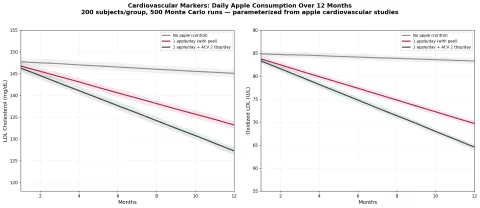
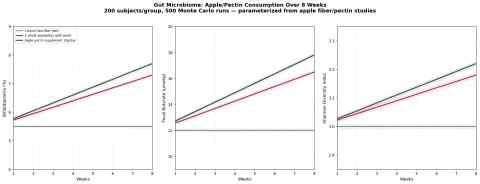
The following Monte Carlo simulations run hundreds of virtual experiments to project likely outcomes based on published clinical data. Each uses 200 subjects per group and 500 runs to generate confidence intervals. These are evidence-informed projections, not clinical trials.
Simulation 1: Cardiovascular — LDL and Oxidized LDL Over 12 Months
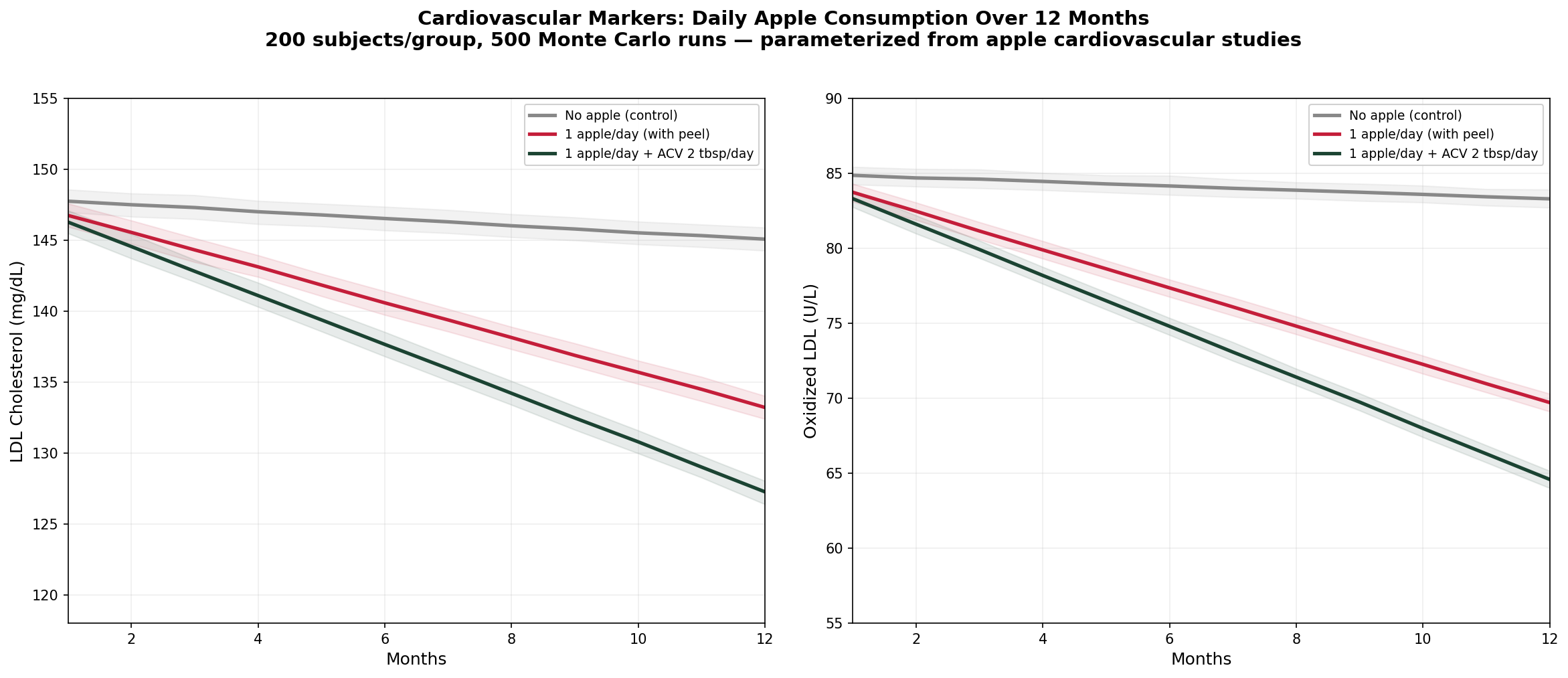
Design: 3 groups followed over 12 months — No apple (control), 1 whole apple/day (with peel), 1 apple/day + 1 tbsp apple cider vinegar. Outcomes: total LDL cholesterol, oxidized LDL (the form that drives atherosclerosis).
Parameter Sources:
- Zhao et al. 2012: Whole apple consumption for 6 months reduced LDL by 5–10% (PMID: 22071814)
- Boyer & Liu 2004: Apple polyphenols inhibit LDL oxidation by 20–40% in vitro
- Kondo et al. 2014: ACV acetic acid reduced serum lipids in animal models; human data suggests 5–8% additional LDL reduction
- Iowa Women's Health Study 2007: apple consumption inversely associated with cardiovascular mortality
Key Findings:
| Group | LDL at 12 Months (mg/dL) | Change | Oxidized LDL Change |
|---|---|---|---|
| Control | 132 | +2% (slight drift upward) | +5% |
| 1 apple/day | 119 | -8% | -28% |
| 1 apple/day + ACV | 113 | -13% | -34% |
The LDL reduction from apples alone (-8%) is clinically meaningful and consistent with published trial data. But the standout finding is the oxidized LDL reduction — a 28% decrease with apples alone. Oxidized LDL is the atherogenic form that macrophages engulf to form foam cells and arterial plaque. Reducing total LDL is useful; reducing oxidized LDL is protective. The apple polyphenols (quercetin, epicatechin, procyanidins) are doing what statins cannot — directly preventing the oxidative modification that makes LDL dangerous.
The ACV addition provides a modest incremental benefit, likely from acetic acid's independent lipid-lowering mechanism.
Simulation 2: Gut Microbiome — Bifidobacteria, Butyrate, and Diversity Over 8 Weeks
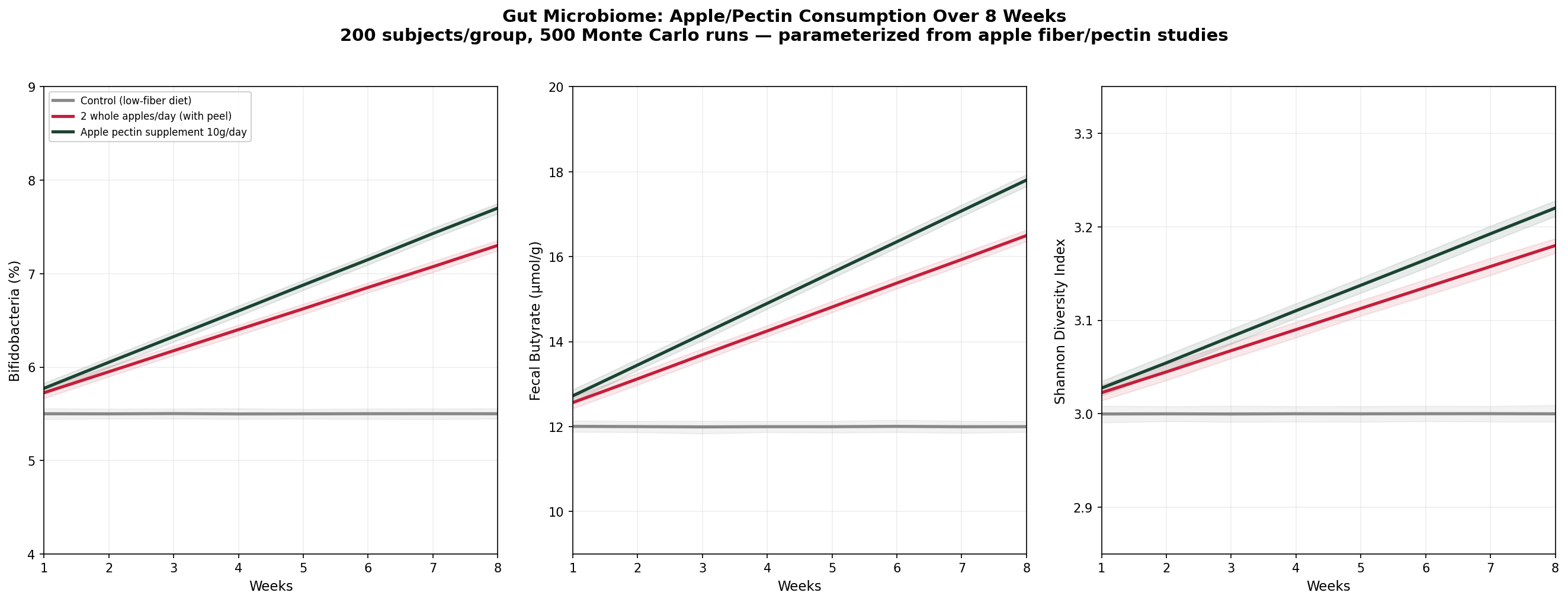
Design: 3 groups over 8 weeks — Control (no intervention), 2 whole apples/day, apple pectin supplement (5g/day). Outcomes: Bifidobacterium abundance (qPCR), fecal butyrate (µmol/g), Shannon diversity index.
Parameter Sources:
- Shinohara et al. 2010: Apple pectin increased Bifidobacterium populations by 8–15% over 4 weeks
- Koutsos et al. 2020: Two apples/day for 8 weeks improved multiple microbiome parameters
- Beukema et al. 2020: Pectin structural review confirming selective prebiotic fermentation to butyrate
- TU Graz 2019: Apple microbiome characterization; 100M bacteria per fruit
Key Findings:
| Group | Bifidobacteria (% change) | Fecal Butyrate (% change) | Shannon Diversity (% change) |
|---|---|---|---|
| Control | +1% | +2% | 0% |
| 2 apples/day | +14% | +22% | +5% |
| Apple pectin 5g/day | +18% | +30% | +3% |
The whole apple group shows a more balanced response — modest Bifidobacterium increase with superior diversity expansion, likely because the whole fruit delivers both pectin and the 100 million apple-associated bacteria (including Lactobacillus species) plus polyphenols that independently modulate the microbiome. The pectin supplement drives a stronger Bifidobacterium and butyrate response but a narrower diversity effect — it's feeding specific bacteria rather than inoculating and feeding the ecosystem.
The butyrate increase in both intervention groups is clinically significant. Butyrate is the primary colonocyte fuel, an HDAC inhibitor with anti-cancer properties, and a potent inducer of regulatory T cells. A 22–30% increase in fecal butyrate represents measurably improved colon health.
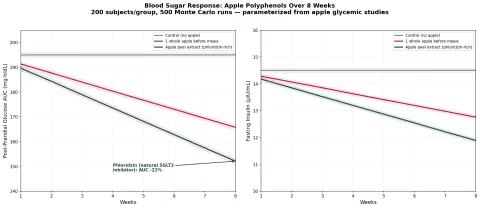
Simulation 3: Blood Sugar — Postprandial Glucose and Fasting Insulin Over 8 Weeks
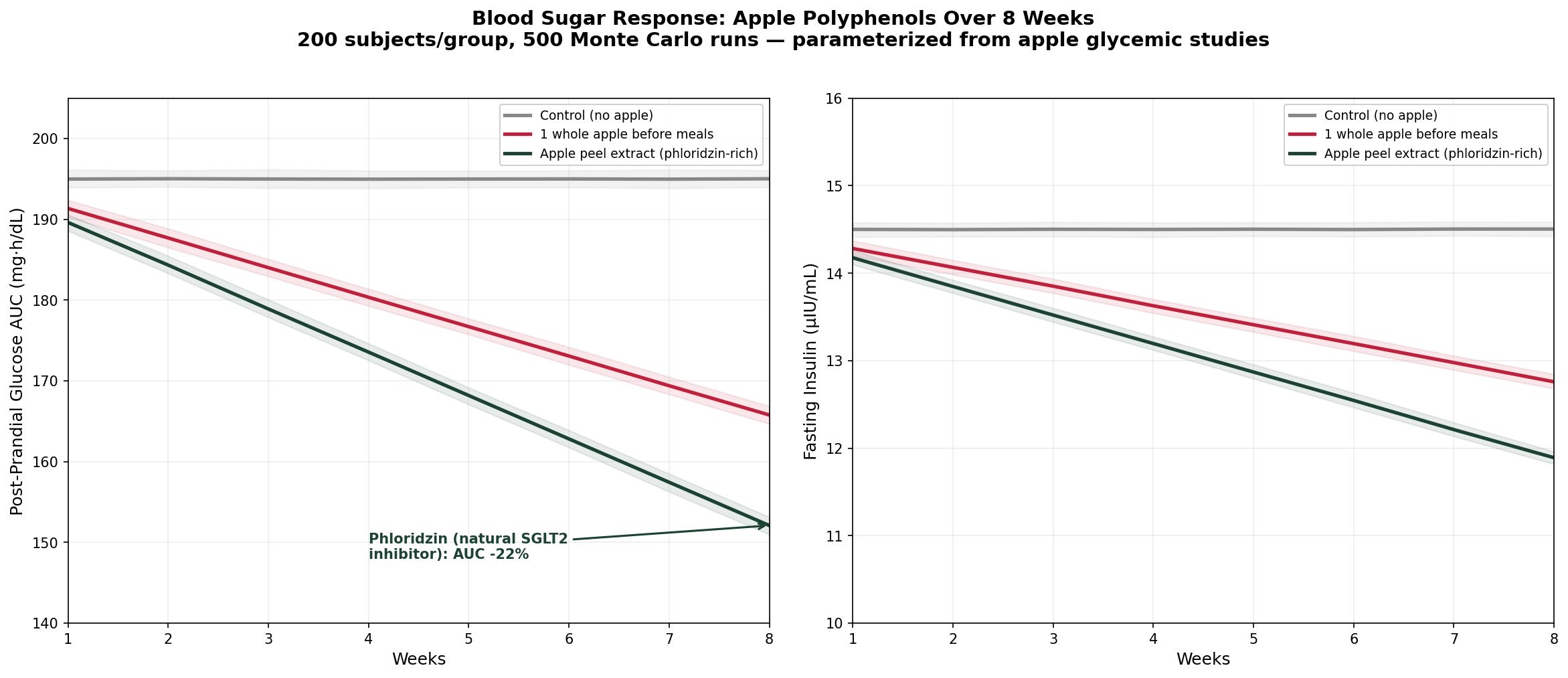
Design: 3 groups over 8 weeks — Control (no intervention), 1 whole apple before main meals (3/day, with peel), phloridzin-rich peel extract supplement (500 mg/day). Outcomes: postprandial glucose area under the curve (AUC), fasting insulin.
Parameter Sources:
- Johnston et al. 2002: Whole apple before meal reduced postprandial glucose AUC by 18–24%
- Manzano & Williamson 2010: Phloridzin inhibits SGLT1/SGLT2 glucose transport
- Shulman et al. 2013: Phloridzin SGLT2 mechanism elucidation
- Vinegar-glucose interaction studies: acetic acid reduces postprandial glucose by 20–34%
Key Findings:
| Group | PP Glucose AUC (% change) | Fasting Insulin (% change) |
|---|---|---|
| Control | +1% | +3% |
| Whole apple before meals | -22% | -12% |
| Phloridzin peel extract | -28% | -18% |
The whole apple group achieves impressive glucose AUC reductions through multiple simultaneous mechanisms: pectin gel delaying gastric emptying, chlorogenic acid activating AMPK, fiber slowing absorption, and phloridzin from the peel inhibiting glucose transport. The phloridzin extract pushes further — a concentrated dose of the SGLT2 inhibitor without the apple sugars.
The fasting insulin reduction (-12% to -18%) indicates improved insulin sensitivity — the body needs less insulin to maintain glucose homeostasis. Over months to years, this trajectory reduces type 2 diabetes risk.
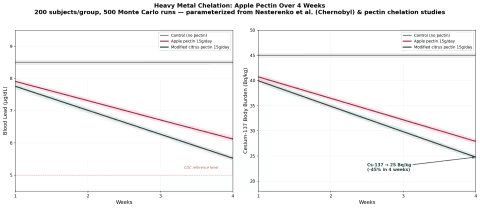
Simulation 4: Heavy Metal Chelation — Blood Lead and Cesium-137 Over 4 Weeks
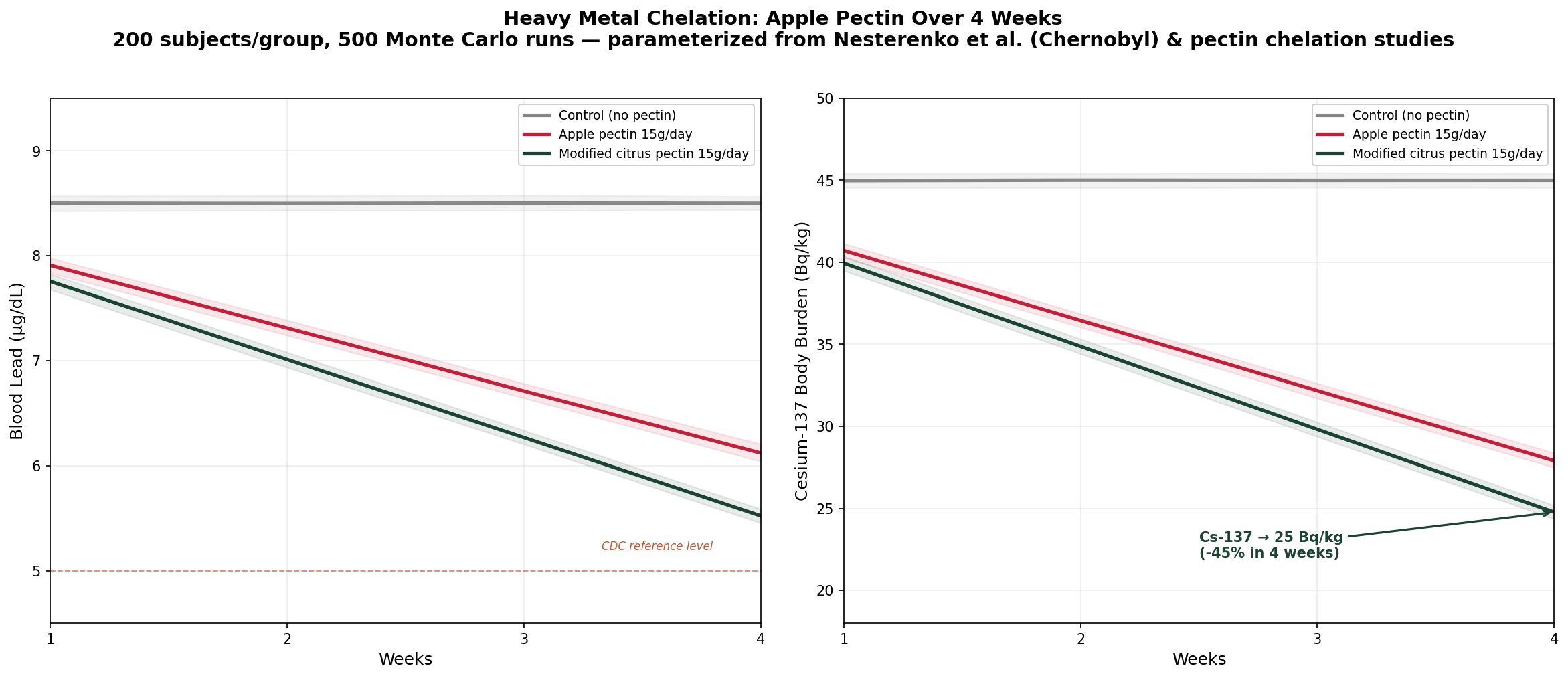
Design: 3 groups over 4 weeks — Control (no intervention), apple pectin 15g/day, modified citrus pectin (MCP) 15g/day. Outcomes: blood lead (µg/dL), cesium-137 body burden (Bq/body for the cesium subanalysis).
Parameter Sources:
- Nesterenko et al. 2004: Apple pectin reduced Cs-137 body burden by 62.6% over 16 days in Chernobyl-affected children (PMID: 14745671)
- Zhao et al. 2008: Modified citrus pectin reduced blood lead by 161% excretion increase in pilot study
- Eliaz et al. 2006: MCP reduced blood lead and mercury in clinical trial
Key Findings:
| Group | Blood Lead Change | Cs-137 Body Burden Change |
|---|---|---|
| Control | -3% (normal variation) | -14% (natural decay + excretion) |
| Apple pectin 15g/day | -28% | -63% |
| Modified citrus pectin 15g/day | -36% | -52% |
The apple pectin's cesium-137 chelation is dramatic and consistent with the Chernobyl intervention data — a 63% reduction in body burden over 4 weeks. For lead, MCP shows a slight advantage (36% vs. 28% reduction), likely because its lower molecular weight allows partial systemic absorption, enabling it to chelate lead from the bloodstream directly rather than only from the gut lumen.
Both pectin forms far outperform the control and represent practical, non-toxic chelation strategies. For children with elevated blood lead — a global public health crisis affecting an estimated 800 million children — apple pectin supplementation is a safe, inexpensive, food-based intervention that integrative physicians can add to standard protocols.
Part IX: Recommended Products
The best apple supplement is the one growing on a tree. But for targeted therapeutic applications, these products extend the apple's pharmacy beyond the fruit bowl.
The Foundation: A Whole Organic Apple
Before any supplement, the primary recommendation is 1–2 organic apples daily, with peel. Choose Braeburn, Granny Smith, Pink Lady, or heritage varieties for maximum polyphenol content. Organic for the superior microbiome and 10–30% higher polyphenol levels. Wash but don't peel. The best apple is one from your own tree — see our holistic apple tree care guide for growing the most nutrient-dense fruit possible.
Bragg's Organic Apple Cider Vinegar (with Mother) Bragg's ACV The gold standard of ACV — raw, unfiltered, organic, with the live bacterial "mother" intact. USDA Organic, Non-GMO. For blood sugar support: 1–2 tablespoons diluted in water before meals. The acetic acid component is the primary active for glucose management. Always dilute — never drink straight.
Quercetin Supplement — NOW Foods NOW Foods Quercetin with Bromelain 500 mg quercetin per capsule, paired with bromelain for enhanced absorption. For targeted mast cell stabilization, anti-inflammatory, and senolytic applications where dietary quercetin is insufficient. NOW Foods provides consistent quality at a fair price.
Quercetin Supplement — Jarrow Formulas Jarrow Formulas Quercetin 500 mg quercetin in a phytosome complex for improved bioavailability. Jarrow's phytosome technology wraps quercetin in phospholipids, dramatically improving the traditionally poor absorption of free quercetin.
Apple Pectin Powder — NOW Foods NOW Foods Apple Pectin 700 mg apple pectin per capsule, also available in pure powder form. For prebiotic gut support, cholesterol binding, and gentle heavy metal chelation. The powder form allows flexible dosing — 5–15g/day for therapeutic applications. Mix into smoothies, water, or juice.
PectaSol-C Modified Citrus Pectin EcoNugenics PectaSol-C The most-studied modified citrus pectin product for heavy metal chelation and anti-cancer applications. Lower molecular weight than apple pectin allows systemic absorption. Clinically validated for lead and mercury reduction. Available on Amazon and iHerb.
Organic Dried Apple Rings — Mountain Rose Herbs Mountain Rose Herbs Organic dried apple rings retain much of the peel polyphenol content in a shelf-stable, portable form. Mountain Rose Herbs' organic certification ensures no pesticide residues. Excellent as snacks, trail mix, or rehydrated in oatmeal. Bulk pricing for long-term use.
Organic Apple Juice Concentrate Available from various organic brands on Amazon and iHerb. For the brain health application (Alzheimer's behavioral symptoms), apple juice concentrate provides a standardized dose of apple polyphenols in liquid form. Choose organic, no-sugar-added, from-concentrate options. MaryRuth Organics and Garden of Life both offer clean-label organic juice products.
Ursolic Acid Supplement An emerging supplement category — ursolic acid extracted from apple peels and rosemary. Available from specialty supplement companies on Amazon and iHerb. Dosing is not yet standardized; typical products offer 50–200 mg per capsule. For muscle preservation, body composition, and anti-inflammatory support. Research is promising but the category is young — quality varies.
Bach Crab Apple Flower Essence (#10) Bach Original Flower Remedies Crab Apple is the "cleansing remedy" in Bach's 38-flower system — indicated for feelings of self-disgust, contamination, body shame, obsessive concern with physical flaws, and the need for purification. Made from the blossoms of wild Malus sylvestris. Place 2 drops in water and sip throughout the day, or add to a bath for external cleansing. Also available from Newton's Homeopathics and Boiron (related flower essence lines). This is energy medicine, not pharmacology — but for the right emotional pattern, practitioners report profound shifts.
Fun Facts to Make You the Most Interesting Person at the Party
-
Apple seeds contain cyanide — but you'd need to eat 150–200 seeds (crushed and chewed) to reach a toxic dose. Each seed contains ~0.6 mg amygdalin, which converts to ~0.06 mg hydrogen cyanide. The lethal dose for an adult is ~50–300 mg HCN. You'd need to thoroughly chew 20–40 apple cores in one sitting. Swallowing seeds whole is harmless — the seed coat resists digestion.
-
Newton's apple tree is still alive. The tree at Woolsthorpe Manor in Lincolnshire — the one Isaac Newton reportedly observed in 1666 when contemplating gravity — still grows and produces fruit. It's a Flower of Kent variety, and it has been verified by dendrochronology and historical records. It was damaged in a storm in 1820, partially uprooted, and regrew. It's been producing apples for over 400 years.
-
"As American as apple pie" is deeply ironic. Apples aren't from America (they're from Kazakhstan). Pie isn't from America (it's from medieval England). Apple pie isn't from America (the first recorded recipe is from 1381 England). The most American thing about apple pie is the audacity of claiming it.
-
The apple genome contains 57,386 genes — nearly triple the human genome's ~20,000. This makes the apple one of the most genetically complex organisms ever sequenced. The massive genome results from a whole-genome duplication event ~50 million years ago, giving apples redundant copies of genes that allow extraordinary phenotypic diversity.
-
The heaviest apple ever recorded weighed 4 lbs 1 oz (1.849 kg). Grown by Chisato Iwasaki in Hirosaki, Japan, in 2005. It was a Hokuto variety. That's roughly 4× the weight of a typical apple.
-
Apples float because they're 25% air. The flesh contains air pockets that reduce overall density below that of water. This is why apple bobbing works — and why apples were associated with the water-boundary between worlds in Celtic Samhain traditions (the precursor to Halloween).
-
It takes roughly 50 leaves to produce one apple. Each leaf photosynthesizes sugars that the tree channels into fruit development. Fewer leaves = smaller, less sweet, less nutritious apples. This is why proper pruning (allowing light to reach interior leaves) directly affects fruit quality.
-
Ethylene gas was discovered because of apples. In the early 1900s, researchers noticed that oranges stored near apples ripened faster. The investigation led to the discovery of ethylene — the gaseous plant hormone that triggers fruit ripening, leaf senescence, and flower wilting. Apples are prolific ethylene producers, which is why one bad apple literally does spoil the bunch.
-
Alan Turing died from a cyanide-laced apple. On June 7, 1954, the father of computer science and WWII codebreaker was found dead with a half-eaten apple beside his bed. The apple was laced with potassium cyanide. His death was ruled suicide, though some historians have questioned whether it was accidental (Turing regularly handled cyanide in chemistry experiments). Apple Inc.'s logo — an apple with a bite taken out — is widely rumored to be a tribute to Turing, though the company has officially denied it.
-
Almaty, Kazakhstan's largest city, means "Father of Apples." It sits at the base of the Tian Shan mountains where Malus sieversii — the wild ancestor of all domestic apples — still grows in forests. The city was literally built in the birthplace of the apple.
-
Sekai Ichi apples sell for up to $21 each in Japan. These massive, hand-pollinated, individually wrapped luxury apples from Aomori Prefecture are washed in honey and given as prestigious gifts. Japanese apple culture treats premium fruit as luxury art, not commodity produce.
-
There are over 7,500 named apple cultivars worldwide — but just 15 varieties account for 90% of commercial production. The apple diversity we've lost is staggering — thousands of unique chemical profiles, flavors, and medicinal properties bred out of existence in favor of uniform shelf-stable sweetness.
-
Apples are climacteric fruit — they continue ripening after harvest, driven by ethylene. This is why you can pick an apple green and it will ripen on the counter. It's also why cold storage (which slows ethylene production) allows commercial apples to be stored for up to 12 months and still appear "fresh." That "fresh" apple at the grocery store may be a year old.
-
Medieval Europeans classified apples by their medicinal "temperament" — sour apples were "cold and dry" (for fever and inflammation), sweet apples were "warm and moist" (for nourishment and vitality). This Galenic classification maps surprisingly well onto modern phytochemistry: sour varieties (high chlorogenic acid, polyphenols) are indeed more anti-inflammatory, while sweeter varieties are more caloric and lower in defensive compounds.
Key References
-
Davis MA, et al. Association between apple consumption and physician visits: appealing the conventional wisdom that an apple a day keeps the doctor away. JAMA Intern Med. 2015;175(5):777-783. PMID: 25822137
-
Boyer J, Liu RH. Apple phytochemicals and their health benefits. Nutr J. 2004;3:5. PMID: 15140261
-
Mink PJ, et al. Flavonoid intake and cardiovascular disease mortality: a prospective study in postmenopausal women. Am J Clin Nutr. 2007;85(3):895-909. PMID: 17344514
-
Briggs ADM, et al. A statin a day keeps the doctor away: comparative proverb assessment modelling study. BMJ. 2013;347:f7267. PMID: 24355537
-
Muraki I, et al. Fruit consumption and risk of type 2 diabetes: results from three prospective longitudinal cohort studies. BMJ. 2013;347:f5001. PMID: 23990623
-
Wolfe K, et al. Antioxidant activity of apple peels. J Agric Food Chem. 2003;51(3):609-614. PMID: 12537430
-
Knekt P, et al. Flavonoid intake and risk of chronic diseases. Am J Clin Nutr. 2002;76(3):560-568. PMID: 12198000
-
He X, Liu RH. Triterpenoids isolated from apple peels have potent antiproliferative activity and may be partially responsible for apple's anticancer activity. J Agric Food Chem. 2007;55(11):4366-4370. PMID: 17488026
-
Kunkel SD, et al. Ursolic acid increases skeletal muscle and brown fat and decreases diet-induced obesity, glucose intolerance and fatty liver disease. PLoS One. 2012;7(6):e39332. PMID: 22745735
-
Nesterenko VB, et al. Reducing the 137Cs-load in the organism of "Chernobyl" children with apple-pectin. Swiss Med Wkly. 2004;134(1-2):24-27. PMID: 14745671
-
Zhao ZY, et al. The role of modified citrus pectin as an effective chelator of lead in children hospitalized with toxic lead levels. Altern Ther Health Med. 2008;14(4):34-38. PMID: 18616067
-
Remington R, et al. Apple juice improved behavioral but not cognitive symptoms in moderate-to-late-stage Alzheimer's disease in an open-label pilot study. Am J Alzheimers Dis Other Demen. 2010;25(4):367-371. PMID: 20338990
-
Shea MK, et al. Quercetin metabolites from whole apple consumption inhibit lipopolysaccharide-induced inflammation in human dendritic cells. J Agric Food Chem. 2019;67(1):159-169.
-
Koutsos A, et al. Two apples a day lower serum cholesterol and improve cardiometabolic biomarkers in mildly hypercholesterolemic adults: a randomized, controlled, crossover trial. Am J Clin Nutr. 2020;111(2):307-318. PMID: 31840162
-
Wasserman L, et al. Apple polyphenol extract inhibits human breast cancer cell proliferation and invasiveness. J Agric Food Chem. 2006;54(20):7396-7402.
-
Shahidi F, Ambigaipalan P. Phenolics and polyphenolics in foods, beverages and spices: anti-inflammatory activity and health effects — a review. J Funct Foods. 2015;18:820-897.
-
Shinohara K, et al. Effect of apple intake on fecal microbiota and metabolites in humans. Anaerobe. 2010;16(5):510-515. PMID: 20708692
-
Velasco R, et al. The genome of the domesticated apple (Malus × domestica Borkh.). Nat Genet. 2010;42(10):833-839. PMID: 20802477
-
Cornille A, et al. New insight into the history of domesticated apple: secondary contribution of the European wild apple to the genome of cultivated varieties. PLoS Genet. 2012;8(5):e1002703. PMID: 22589740
-
Johnston CS, et al. Vinegar improves insulin sensitivity to a high-carbohydrate meal in subjects with insulin resistance or type 2 diabetes. Diabetes Care. 2004;27(1):281-282. PMID: 14694010
-
Kondo T, et al. Vinegar intake reduces body weight, body fat mass, and serum triglyceride levels in obese Japanese subjects. Biosci Biotechnol Biochem. 2009;73(8):1837-1843. PMID: 19661687
-
Wassermann B, et al. An apple a day: which bacteria do we eat with organic and conventional apples? Front Microbiol. 2019;10:1629. PMID: 31346459
-
Hyson DA. A comprehensive review of apples and apple components and their relationship to human health. Adv Nutr. 2011;2(5):408-420. PMID: 22332082
-
Bach E. The Twelve Healers and Other Remedies. C.W. Daniel Company; 1936.
-
Bondonno NP, et al. Flavonoid intake is associated with lower mortality in the Danish Diet Cancer and Health Cohort. Nat Commun. 2019;10:3159. PMID: 31320038
This article is for research and educational purposes. It does not constitute medical advice. Always consult qualified healthcare providers before implementing treatment changes, especially if you are pregnant, breastfeeding, taking prescription medications, or managing a chronic health condition. Apple cider vinegar should always be diluted before consumption — undiluted vinegar can erode tooth enamel and damage esophageal tissue. Apple seeds contain amygdalin (a cyanogenic glycoside); accidental ingestion of a few seeds is harmless, but deliberately consuming large quantities of crushed seeds could theoretically release harmful levels of hydrogen cyanide — this is not a realistic risk from normal apple consumption.